5 Google Ads Mistakes Pool Companies Make (And What to Do Instead)
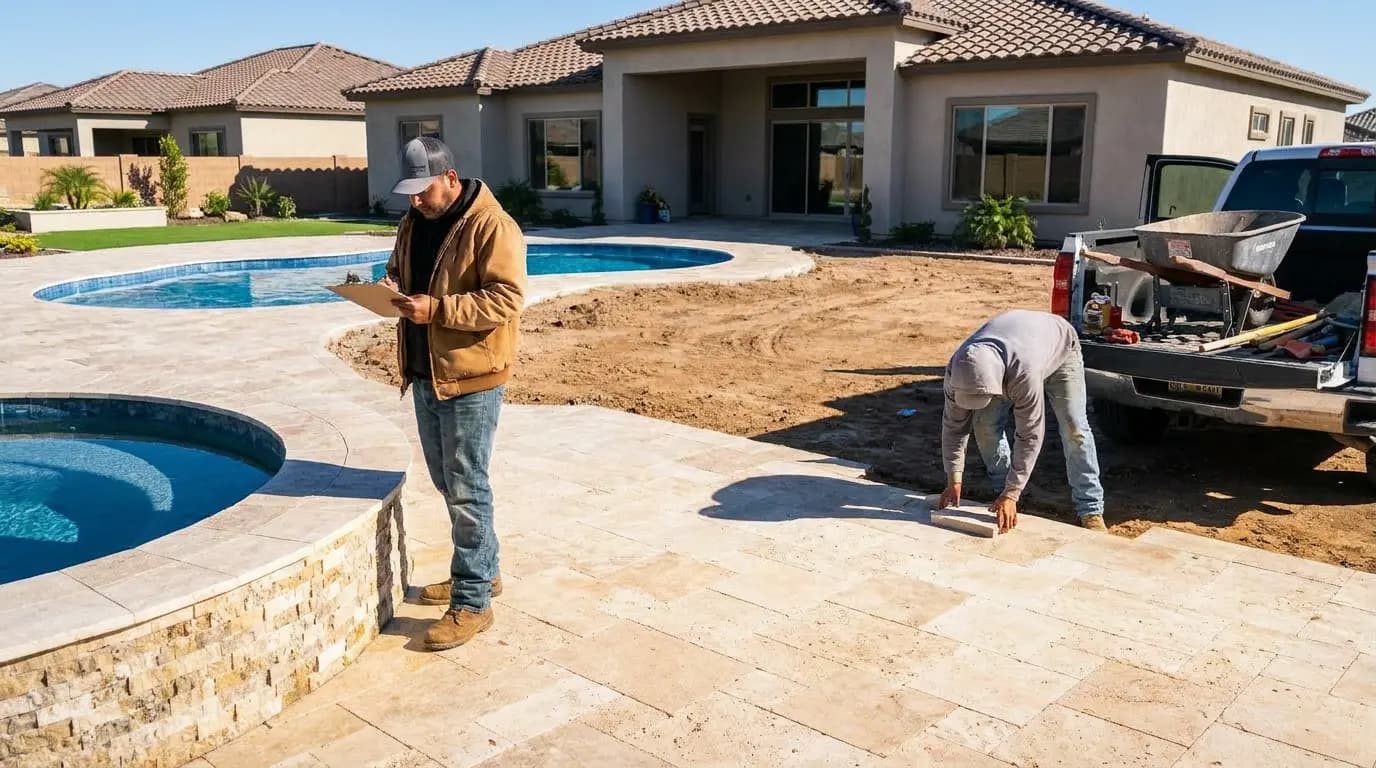
You're on a job site at 7am, your phone buzzes, and you think it's a new lead. It's Google. Telling you your ad budget ran out.
You log in, see 200 clicks last month, and count maybe 3 calls worth picking up. The rest? Wrong city, wrong service, wrong everything. One guy wanted an above-ground pool kit. Another was looking for a pool cleaning job. You paid for both.
This is what Google Ads pool contractors look right now. Not because the platform doesn't work, but because the default settings are designed to spend your money, not book you jobs.
These are the five mistakes that are eating your budget, and exactly what to do about each one.
Mistake #1: Letting Google Run the Show
Google Ads has gotten smarter. It's also gotten better at spending your budget.
When you set up a new campaign, Google pushes you toward auto-applied recommendations: adjusting bids, expanding keywords, broadening targeting, all framed as "improvements." The problem is Google's definition of improvement is more clicks and more spend, not more booked jobs for your pool company.
Pool contractors who accept Google's recommended settings without reviewing them regularly report the same pattern: more impressions, more clicks, higher costs, and leads that don't convert. That's because Google's AI optimizes for its own signals, not for whether the person who clicked actually has a $50,000 pool budget and a backyard ready to build.
What to do instead: **** ****Review your auto-applied recommendations before they go live. Turn off the ones that expand your targeting, raise your bids without justification, or add keywords you didn't choose. Let Google's AI handle real-time bid adjustments since that's where it genuinely excels, but keep strategic decisions in your hands. PPC campaigns for pool companies should reflect business goals, not Google's revenue targets.
Mistake #2: Skipping Negative Keywords
This is the most expensive mistake on the list and the easiest to fix.
Without a negative keyword list, your ads show up for searches that have nothing to do with hiring a pool company. Searches like "pool contractor jobs," "DIY inground pool kit," "above ground pool for sale," "how to clean a pool yourself," and "pool contractor salary" all trigger pool-related ads. Every one of those clicks costs you money and brings zero qualified leads.
Adding city names and service-specific terms makes keywords significantly more targeted. "Pool cleaning near me" or "pool contractor in [City]" outperform broad terms like "pool company" by attracting people with actual purchase intent. Without telling Google what you don't want to show for, you're funding searches from competitors researching your industry, students doing homework, and homeowners who will never hire anyone.
What to do instead:
Build a negative keyword list before your campaign goes live and add to it weekly for the first 90 days. Check your Search Terms report inside Google Ads, which shows exactly what searches triggered your ads. Flag anything irrelevant and add it as a negative. Common starting negatives for pool companies: jobs, salary, DIY, above ground, kit, cheap, free, used, how to.
If managing this feels like a full-time job, our Google Ads management for pool contractors handles it for you every week.
Mistake #3: Sending Every Ad to Your Homepage
A homeowner searches "fiberglass pool installation [City]" and clicks your ad. They land on your homepage. They see a general overview of your services, a hero image, a phone number, and a contact form. They leave.
This happens constantly. Pool companies spend money driving high-intent traffic to a page that wasn't built to convert that specific search. The homepage works for people who are already curious about your brand. It doesn't work for someone who typed in a specific service and wants to see that service confirmed the second they land.
For a pool construction ad, directing traffic to a page that shows a gallery of previous builds, material options, and a short explanation of your building process reinforces trust and performs significantly better, especially in high-cost home improvement industries where customers are cautious.
What to do instead: Match every ad group to a dedicated landing page or service page. If you're running ads for pool repairs, send that traffic to your pool repair page. If you're running ads for new pool builds, send that traffic to your new construction page. The message a homeowner sees in your ad should be the first thing they see when they land. Our web design service builds these pages specifically for pool contractors so the full funnel converts, not just the click. Our PPC service for pool builders also includes landing page optimization so your ad spend actually turns into booked calls.
Mistake #4: Running Broad Match Without Controls
Broad match keywords give Google maximum flexibility to decide when your ads show up. In theory, that means reaching more potential customers. In practice for pool companies, it means your ads run for searches that are loosely, vaguely, or barely related to what you do.
A pool company bidding on "pool service" in broad match can end up showing ads for "pool cue repair," "car pool service," "swimming pool finance calculator," and "pool safety nets Amazon." All of those generate clicks. None of them generate pool jobs.
Pool service businesses can achieve an average return of $8 for every $1 spent on Google Ads, but only by targeting high-intent, location-based keywords that indicate immediate service needs, not by casting the widest possible net. Broad match without a strong negative keyword list and tight location settings burns through that ROI potential fast.
What to do instead:
Start with phrase match and exact match keywords for your core services. Use broad match only once you have enough conversion data to let Google's Smart Bidding learn from real results, and only with a robust negative keyword list running alongside it. Location targeting should be set to your actual service area, not the wider region Google defaults to. Our keyword bidding strategy for pool contractors is built around this exact approach from day one.
Mistake #5: Not Tracking What Actually Matters
This is the mistake that makes all the others invisible.
Most pool companies running Google Ads are tracking clicks and impressions. Some are tracking form submissions. Almost none are tracking which specific keywords, ads, and campaigns are generating actual booked jobs. Without that data, there's no way to know what's working and what's wasting money.
When conversion tracking is broken, inconsistent, or measuring the wrong things, the entire account's data becomes skewed and optimization decisions go sideways. You might be pausing keywords that are actually driving your best leads and doubling down on keywords that generate clicks that never convert.
For pool companies, the tracking gap usually shows up in one of three places: calls that don't get attributed to the right campaign, form fills that count as conversions even when they're spam, or zero tracking at all beyond Google's default "website visits."
What to do instead:
Set up call tracking so every phone call from an ad is tied back to the keyword and campaign that generated it. Configure form submission tracking through Google Tag Manager. If you're using a CRM like Go High Level, connect it so you can see which ad campaigns are producing closed jobs, not just leads. Our AI lead qualification system automatically scores and tracks every inquiry so you always know which campaigns are worth scaling.
The Underlying Problem
Every one of these mistakes comes back to the same root issue: Google Ads is a platform built to scale ad spend. It's not built to protect your budget. The defaults, recommendations, and automation settings are designed to get more money flowing through the system, not to maximize your cost per booked job.
Pool contractors who run profitable campaigns aren't necessarily smarter. They're more hands-on. They check their Search Terms report weekly, they match ads to landing pages, they track calls back to keywords, and they resist the platform's constant push toward broader, more expensive settings.
If you're not sure whether your current campaigns have any of these issues, the fastest way to find out is an audit. We review pool company Google Ads accounts every week and the same problems show up almost every time.
FAQs
How much should a pool company spend on Google Ads?
Starting with a monthly budget of $600-$1,500 lets pool companies test campaigns effectively while gathering performance data. Most successful pool service businesses allocate 12-30% of their monthly marketing budget to PPC management. The right number for your business depends on your market size, competition level, and which services you're promoting.
What keywords should pool companies target on Google Ads?
Focus on high-intent, location-specific searches. For construction campaigns, terms like "inground pool builders [City]" and "fiberglass pool installation" attract buyers ready to act. For maintenance, "pool cleaning service [City]" and "pool pump repair" signal immediate service needs. Pair every keyword with a negative keyword list to filter out irrelevant traffic.
How long does it take for Google Ads to work for a pool company?
Most pool companies see initial leads within the first two to four weeks of a properly set up campaign. Optimization takes longer. 60 to 90 days is a realistic window to gather enough conversion data for Smart Bidding to perform well. Don't judge a campaign in the first two weeks.
Should a pool company use Performance Max campaigns?
Performance Max gives Google significant control over where and how your ads appear. It can work well once you have solid conversion tracking and historical data. For most pool companies starting out, a standard Search campaign with tight keyword and location controls is the better starting point. Add Performance Max once the fundamentals are dialed in.
What's the biggest waste of money in pool company Google Ads?
Sending paid traffic to your homepage. Every dollar you spend driving a high-intent searcher to a generic page is a dollar that didn't have a real chance to convert. Dedicated landing pages matched to specific services consistently outperform homepage traffic for pool companies running paid advertising campaigns.
What to Do This Week
Pull up your Google Ads account and run through this checklist:
- Check your Search Terms report — are you paying for irrelevant searches?Review your auto-applied recommendations — turn off anything that expands targeting without your reviewConfirm every active ad links to a service-specific page, not your homepageVerify call tracking is set up and attributed to the right campaignsCheck your keyword match types — are you running broad match without controls?
If any of those reveal a problem, fix it before your next campaign spend hits. If you'd rather have our team do the audit for you, book a free strategy call and we'll go through your account line by line.
Related Articles
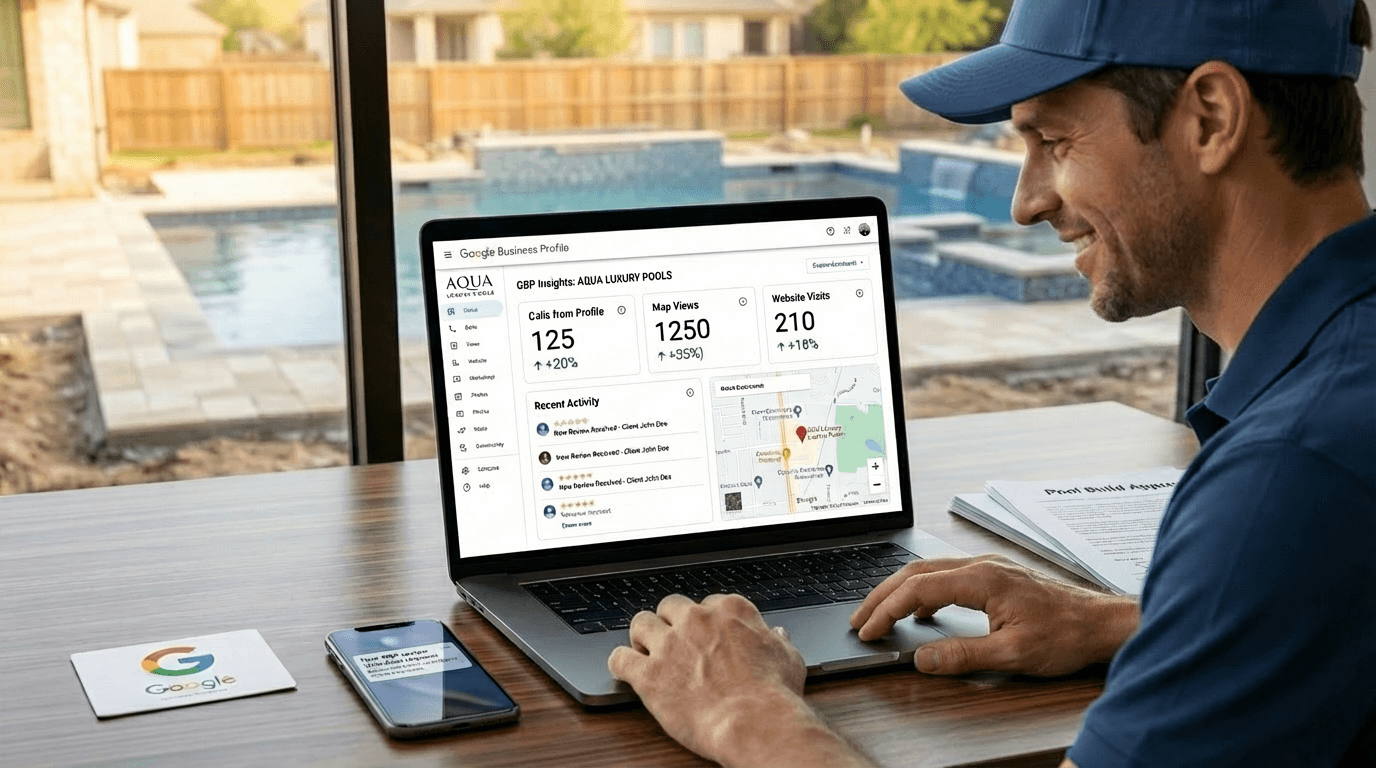
What Changed in Google Business Profile in 2026 (And What Pool Builders Need to Do About It)
Google made significant changes to Business Profiles in 2026 that most pool companies haven't addressed yet. This post breaks down what changed, why it matters, and the specific steps to fix your profile before competitors do.

What Is a Flat-Rate Digital Marketing Agency For Pool Builders (And Is It Right for You)?
Tired of "percentage of spend" fees and unpredictable monthly bills? Discover how the flat-rate model offers pool builders a transparent, fixed-cost alternative for sustainable growth. We break down the benefits, services, and how to tell if it’s the right fit for your specific business goals.
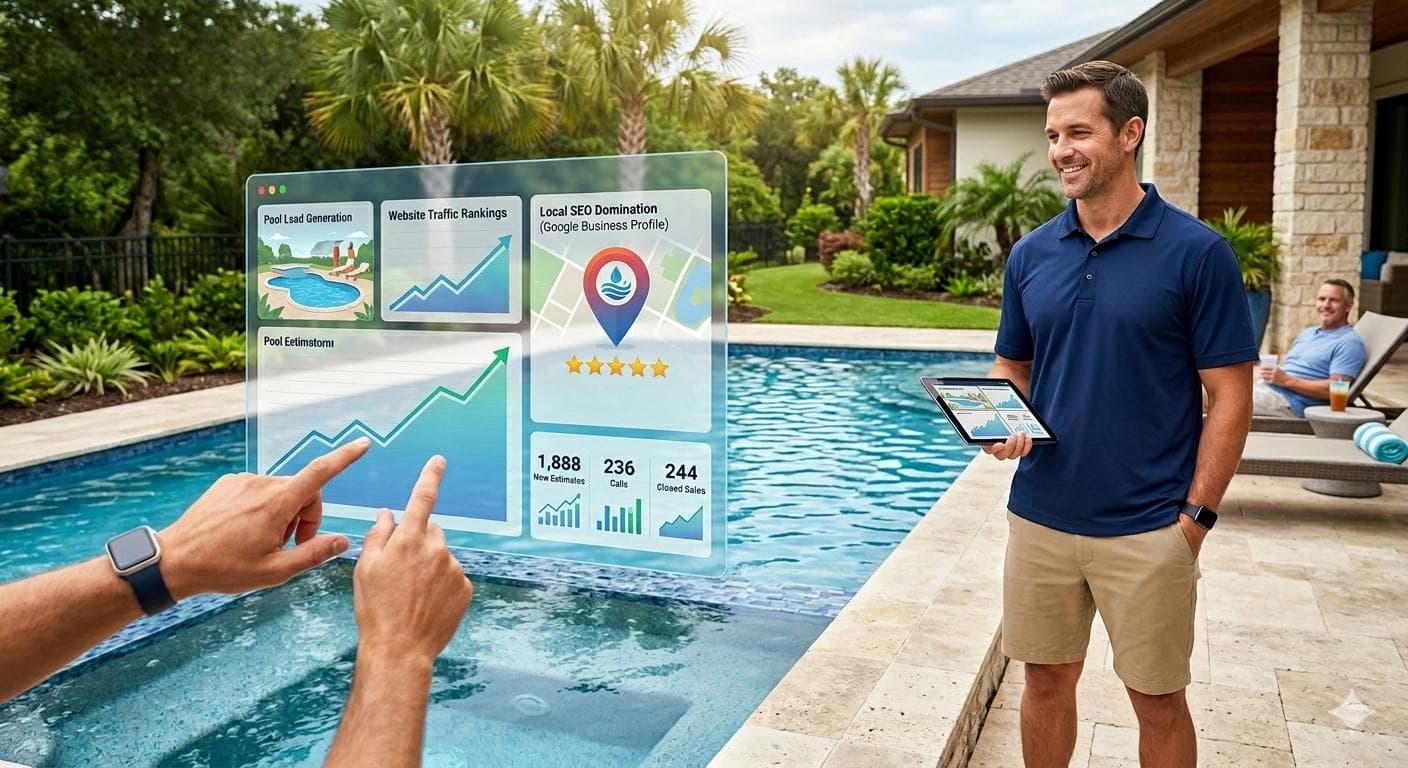
5 Reasons Your Pool Website Isn't Converting Leads (And How to Fix It)
Is your website just a digital brochure or a lead-generating machine? If you're getting traffic but no phone calls, something is broken. Here are the 5 biggest reasons pool websites fail to convert and the simple fixes to start booking more installations.
Want These Results for Your Pool Company?
Book a free strategy call and let's talk about how we can grow your business.